Authenticity & grade
Who certified it? Does the coin merit the assigned grade? Are there alterations, qualifiers or problems?
For collectors, investors, families and estates
A holder tells you a grade. It does not tell you whether the price, provenance, liquidity, transaction costs and exit plan make sense for you.
Plain-English analysis. No guaranteed returns. No pressure to transact.
01 / THE RISK
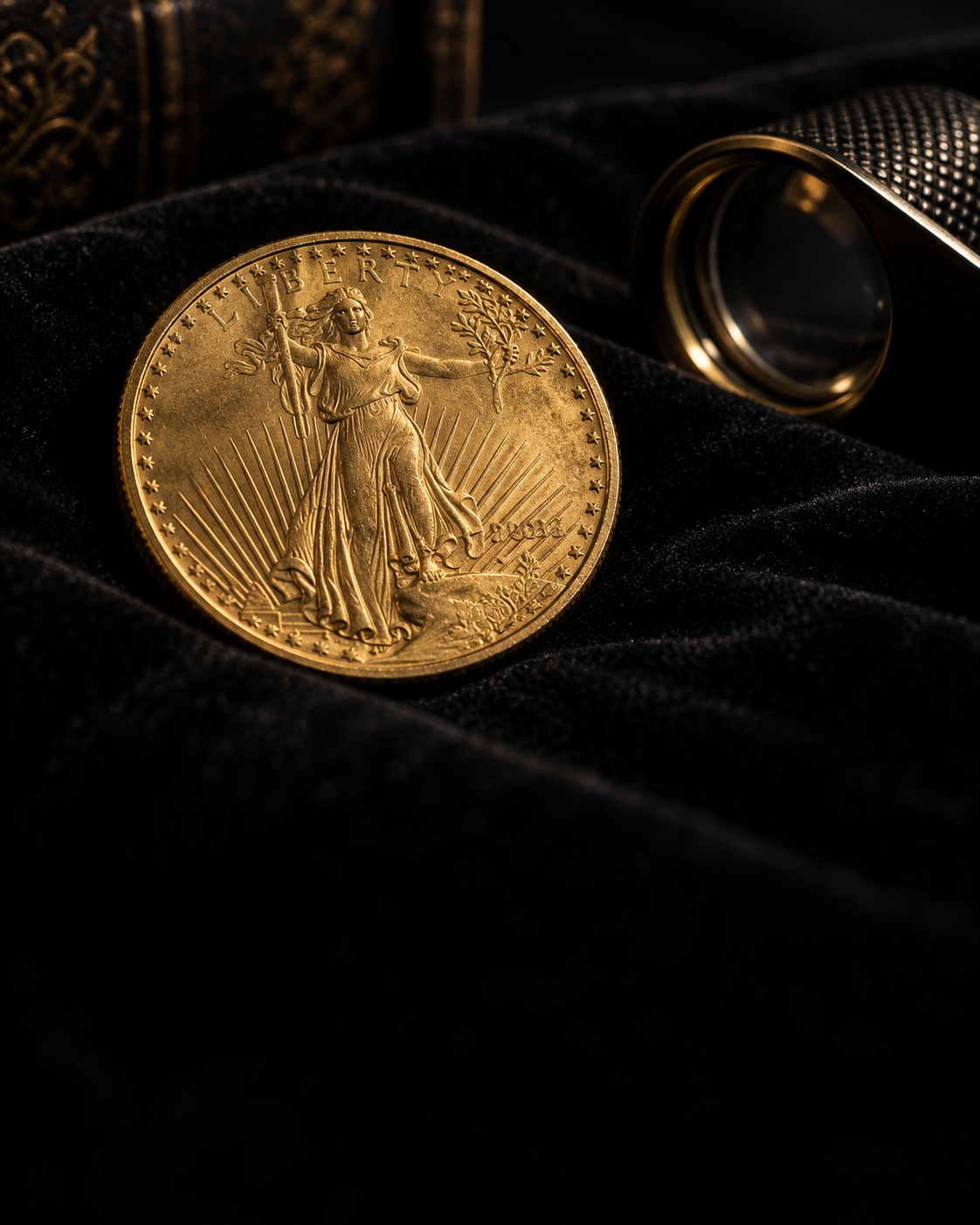
Two genuine coins in identical grades can deserve very different prices. Eye appeal, originality, strike, surfaces, rarity within the grade, provenance and current demand can materially affect desirability. Then come the costs most presentations minimize: dealer spread, commissions, insurance, custody and the difficulty of selling.
02 / THE FRAMEWORK
A disciplined rare-coin investment strategy starts with questions—not predictions.
Who certified it? Does the coin merit the assigned grade? Are there alterations, qualifiers or problems?
What can be documented? A compelling story matters only when records support it.
How does the proposed price compare with recent realized sales—not optimistic asking prices?
Who is the natural next buyer, how deep is that market, and how long might an orderly sale require?
Where will the coin be held, documented and insured? What are the continuing costs and controls?
Private sale, dealer bid or competitive auction? The exit should be considered before the purchase.
Confidential second look
Send photographs, certification details, the proposed price or offer, known ownership history and what you want to accomplish. David will tell you whether the material appears worthy of deeper review or specialist referral.
Please do not send coins or original documents. Initial guidance is educational and is not a formal appraisal, legal, tax or investment advice.
03 / THE STRATEGIST
David Vogel is a rare-coin and high-value collectibles strategist who has been active in coins and collectibles since the 1970s. He worked at Heritage Auctions from 1986 through 1989 and now advises serious owners and buyers on evidence, positioning, acquisition and responsible transaction routes.
His approach is simple: tell the strongest truthful story the evidence can support, expose the economic friction before money moves, and preserve the owner’s choices.
Pastor David Vogel Founder, Vogel Value · “The Godly Shark” · New Hampshire
04 / BUYER'S GUIDE
“Investment-grade” is not an official designation and should never replace item-specific analysis. For many buyers, the strongest candidates combine recognized third-party certification, attractive and original surfaces, durable collector demand, a defensible purchase price and more than one realistic resale channel.
Certified gold coins may combine intrinsic metal value with numismatic value, but the collectible premium can rise or fall independently of gold. Rare coins can be illiquid, grading opinions can change, and transaction costs can be substantial. A prudent allocation reflects those risks rather than hiding them.